
Across the length and breadth of sub-Saharan Africa, micro, small and medium-sized enterprises do not merely participate in the economy, they are the economy. They account for roughly 80% of all businesses on the continent, employ an estimated 60% of the workforce, and in many countries generate most household incomes. From the poultry farms of Ghana’s Aburi hills and the food-processing startups of Accra to the rice distributors of Lomé and the Agri-processors turning millet and cassava into nutrition for busy families, SMEs form the connective tissue of African commerce.
Yet for all their vitality, these businesses have historically operated under conditions that would challenge even the most resourceful of entrepreneurs: limited access to credit, poor market visibility beyond national borders, and a financial system that too often treats them as an afterthought rather than a priority. That landscape, however, is changing and Ecobank is at the forefront of that change.
A Continent-Wide Commitment
As Africa’s leading pan-African banking group, Ecobank operates across 32 sub-Saharan African countries, a network that no other private bank on the continent can match. That footprint is not merely a point of commercial pride; it is the foundation of a strategy that treats the whole of Africa as a single integrated marketplace rather than a patchwork of isolated economies. In 2025, the Group served over 4.5 million micro, small, and medium-sized enterprises through a continent‑wide ecosystem combining USSD and mobile channels, the Ecobank Business App, Omni Lite and Omni Plus platforms, more than 65,000 Xpress agents, and 2,653 deposit‑enabled ATMs. These figures speak to both the scale of its ambition and the depth of its commitment.
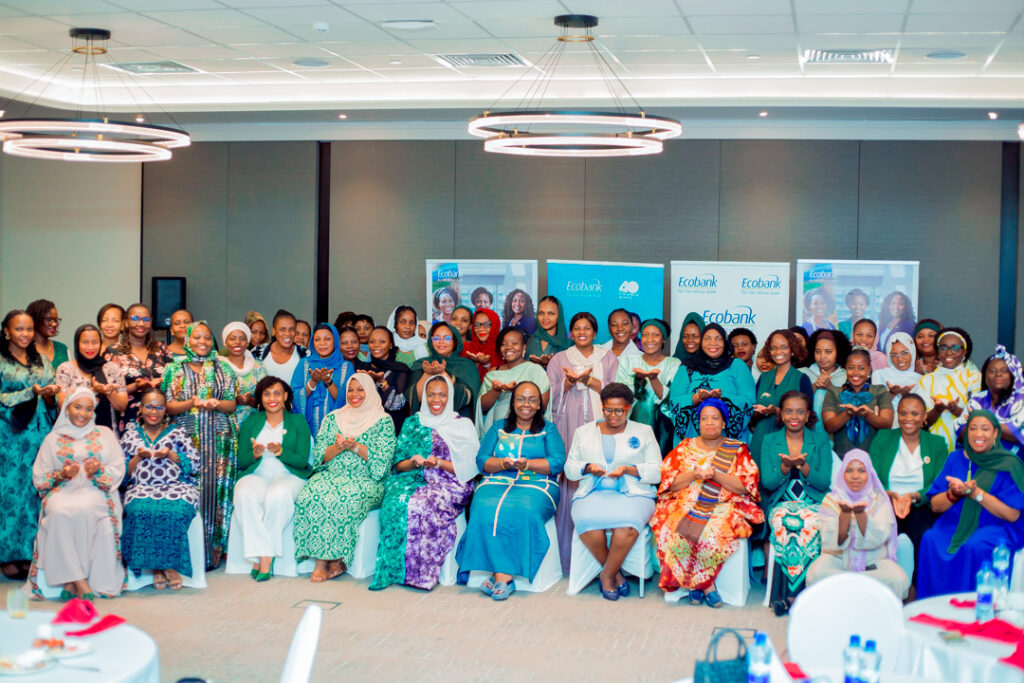
That commitment earned recognition at the highest levels of the industry. In 2025, Ecobank was named Best Bank for SMEs in Africa at the Euromoney Awards for Excellence which commended the group for offering “one of the most attractive SME banking propositions in Africa.” It was the latest in a string of accolades that also includes being named Africa’s Best Bank for Trade Finance at the Global Finance Awards, and Best Bank in Africa overall acknowledgements that reflect years of deliberate investment in the infrastructure, partnerships, and products that African SMEs need to grow.
Closing the Financing Gap
The challenge is well documented. The International Monetary Fund estimates that nearly half of the 40 million SMEs active in sub-Saharan Africa lack access to formal credit. Commercial banks have traditionally been reluctant to lend to smaller businesses without substantial collateral a requirement that many SMEs simply cannot meet.
Ecobank’s response has been to build a financing architecture that shares risk intelligently and expands access to capital for businesses that would otherwise remain underserved. Through strategic partnerships with development finance institutions and multilateral organisations, the bank has significantly broadened its lending capacity across Africa. A landmark $200 million risk-sharing facility with the African Guarantee Fund (AGF) – the third renewal of a partnership that began in 2013 – provides up to 50% guarantee coverage for qualifying SMEs across 27 countries within Ecobank’s network, rising to as much as 80% for women-led businesses under the bank’s Ellevate programme. By December 2025, cumulative disbursements under successive AGF agreements had reached $487 million, helping thousands of businesses access financing that would otherwise have remained out of reach.
Ecobank has continued to deepen this ecosystem of support through new strategic alliances. At the 2026 Africa Forward Summit in Nairobi, the bank signed a memorandum of understanding with Proparco to mobilise €300 million over three years to strengthen agricultural value chains across the continent. During the same summit, Ecobank also entered into a partnership with AGRA aimed at improving access to finance, markets and technical support for Africa’s agricultural enterprises. Meanwhile, at the 2026 Biashara Afrika event in Lomé, Ecobank signed a landmark memorandum of understanding with the AfCFTA Secretariat, reinforcing its commitment to advancing intra-African trade and accelerating the continent’s economic integration..
Similar arrangements span the continent. In Sierra Leone, a $25 million risk-sharing facility with British International Investment is expanding the bank’s SME loan book. In Chad, a €10 million trade finance guarantee with Proparco part of $125 million in co-developed programmes since 2018 supports manufacturers and agribusinesses in acquiring critical raw materials. In the Central African Republic, a guarantee from the African Development Bank has opened doors for local enterprises to access essential imports. In Ghana, $31 million in concessional financing under the Green Climate Fund, alongside a $12 million commitment through the Mastercard Foundation–supported Bridge in Agriculture programme, is enabling SMEs to access blended finance, build resilience, and scale climate-smart and agribusiness solutions.
Together, these arrangements represent a systematic effort to place working capital within reach of businesses that have long been shut out of the formal financial system.
The Businesses Behind the Numbers
Statistics only tell part of the story. The real measure of Ecobank’s impact lies in the enterprises it has helped transform businesses whose trajectories illustrate what targeted financial support can achieve.
In Aburi, Ghana, Fospong Vision Farms tells a story of resilience as much as growth. When a devastating poultry disease wiped out 4,000 birds and threatened the family’s investment, founder Owura Kwaru Oppong refused to give up. Using data to rethink his operations and supported by Ecobank’s BRIDGE-In Agriculture financing, he transformed the business. A working capital facility and asset financing enabled the farm to install a modern battery cage system, expanding capacity from 6,000 to 10,000 birds while improving productivity and operational efficiency. Solar-powered security cameras now allow him to monitor the farm remotely, and the business continues to diversify into food manufacturing and value-added products. For Oppong, the partnership went beyond finance: it provided the confidence and long-term support needed to turn a family enterprise into a scalable agribusiness with regional ambitions.
In Greater Accra, Aseda Wholesale & Retail Limited is one such story. Founded by Siata Thompson, the business began as a cleaning services company before evolving into a wholesale and retail operation after she recognised an opportunity to supply products to her clients. What started with tissue paper and cleaning materials has grown into a network of four supermarket outlets and one of the fastest-growing businesses in Ecobank Ghana’s Ellevate portfolio, recording 719% year-on-year revenue growth by the end of the first quarter of 2026.
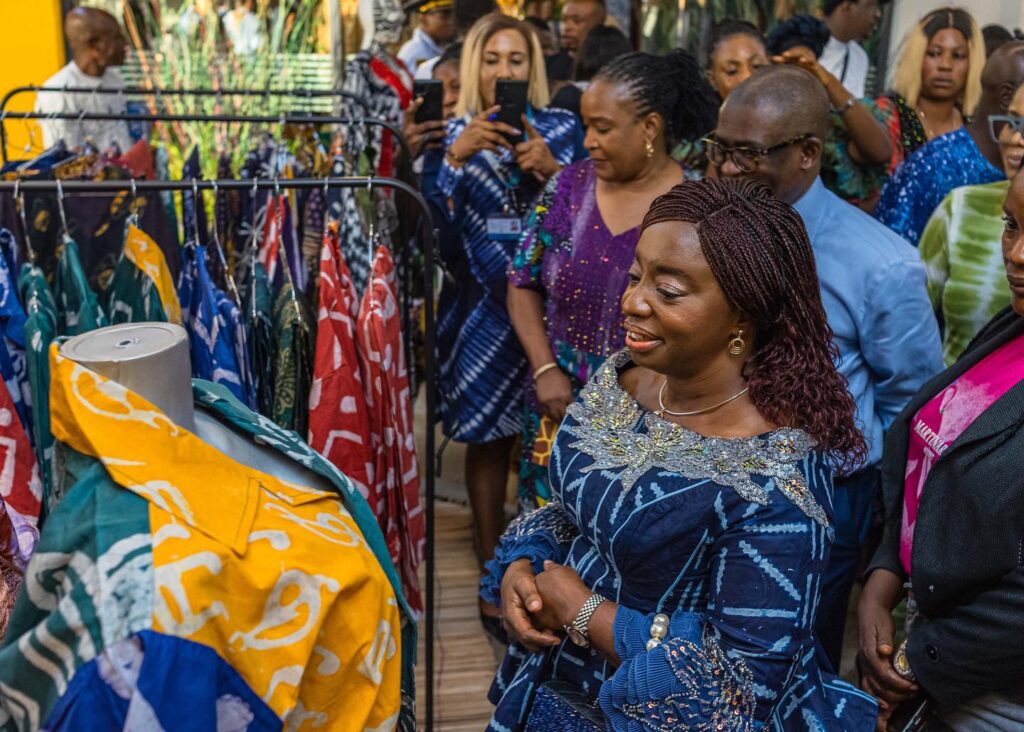
For Thompson, however, the transformation is about more than numbers. After years of turning down orders because she lacked working capital, Ecobank became a strategic partner—providing financing, guidance and the confidence to expand. Today, she reinvests every profit back into the business, employs predominantly women, and is working towards building her own retail mall and future manufacturing operations, while encouraging other women entrepreneurs to believe that growth is possible with the right support.
Beyond Ghana, the pattern repeats itself. In Lomé, Togo, AGRO SANTA led by Mrs Gomah Akouwa, who began her entrepreneurial journey selling green peppers has become a significant food distributor specialising in rice and bottled water. Recognising the strong market demand for rice, she started distributing with only 40 bags. Ecobank’s FCFA 40 million loan facility in October 2025 enabled her to build substantial inventory, strengthen logistics capabilities with vehicles and forklifts, and open a third outlet dedicated to beverages and wines. Her workforce has grown from 15 to 20 employees, and her aspiration is unambiguous: to become a major rice distributor and build her own storage warehouse.
These are not outliers. They are the face of African enterprise, resourceful, ambitious, led often by women who have identified market gaps and built businesses to fill them. What Ecobank has provided is not charity but partnership: structured, appropriately priced, and aligned with the specific needs of each business.
The Single Market Trade Hub: A Gateway to new markets
Financing is one half of the equation. The other is market access. Even a well-capitalised SME can only grow as far as its customers, and for too many African businesses, those customers stop at the national border.
The Ecobank Single Market Trade Hub, launched in 2023, is designed to change that. A digital platform built to foster a single African market under by the African Continental Free Trade Area (AfCFTA), it connects importers and exporters across Africa’s unified market enabling businesses to find partners, showcase goods and services, and conclude transactions through Ecobank’s pan-African trade and payments solutions. Registration is free and open to non-Ecobank clients, ensuring the broadest possible participation.
“At Ecobank, we see Africa as more than just a continent it is home, and we are passionate about continuing to sustainably transform its socio-economic landscape using trade as a key lever,” says Souleymane Diagne, Group Head of Trade at Ecobank. “The Single Market Trade Hub is a key contribution to the AfCFTA, a key pillar under the African Union’s Agenda 2063.”
The results to date are striking with over $85 million in matched transaction volume. In Cameroon alone, the number of businesses registered on the platform grew fivefold in a single year, from 219 in 2024 to 1,200 by the end of 2025. Continent-wide, the Trade Hub now connects around 15,000 companies and features some 1,300 products. Gwendoline Abunaw, Managing Director of Ecobank Cameroon, has described it as “a game changer” for African economic integration and the individual stories bear that out. In Guinea, Sékou Kaba of Kaba Textile used the platform to find a new commercial partner, achieve a $10,000 transaction, and open a pathway to broader international relationships.
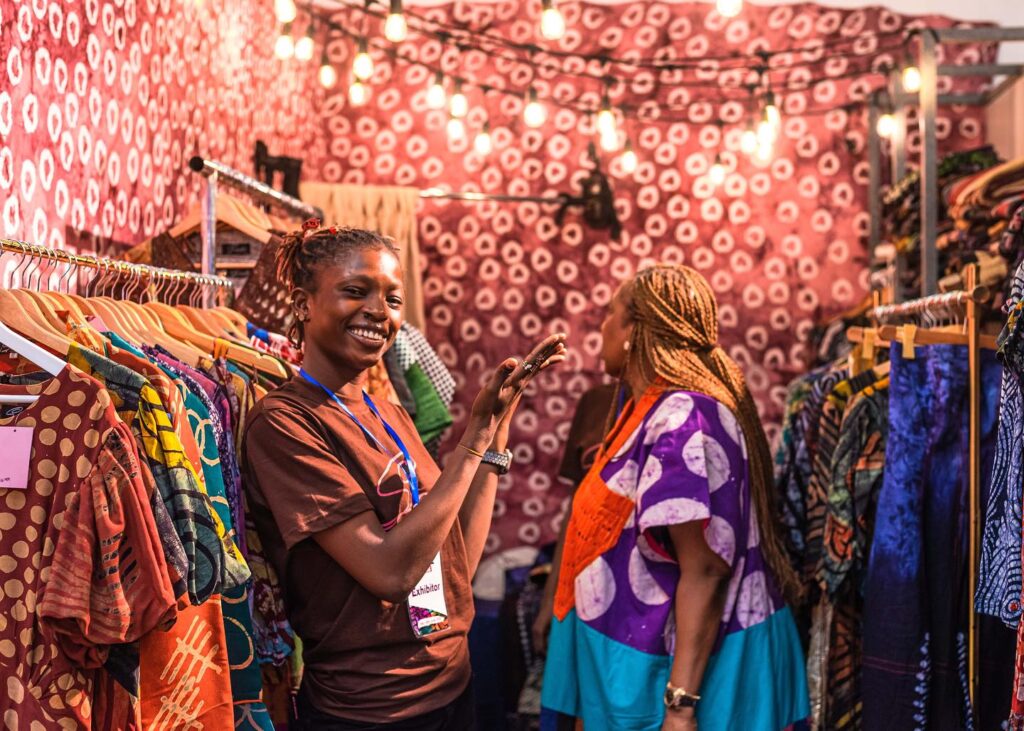
The Trade Hub also integrates with MANSA, the digital due diligence repository operated by Afreximbank, enabling users to conduct effective know-your-customer checks before entering commercial relationships. It is the kind of trust infrastructure that turns a marketplace from a promising concept into a functioning system.
The strategic moment is significant. The AfCFTA, which became operational in 2021, aims to eliminate most tariffs on goods and services traded across African Union member states. The World Bank estimates it could increase Africa’s exports by $560 billion and boost the continent’s GDP by 7% by 2035. Intra-African trade reached $220 billion in 2024, up 12.5% on the previous year. Ecobank’s Trade Hub positions the bank squarely within that trajectory not as a passive beneficiary of continental integration, but as an active architect of it.
Building for the Future
Ecobank’s broader digital transformation is accelerating the pace of change for SMEs. In Nigeria, a dedicated Ecobank Business App allows entrepreneurs to manage payments, monitor transactions, and track cash flow entirely from their mobile devices. Across its markets, the rollout of Nvoicia is digitizing invoicing and enabling SMEs to unlock working capital through faster invoice validation and financing. Complementing this, the Bank’s Digital Merchant Cash Advance (eMCA), developed in partnership with OZE, is leveraging transaction data from Ecobank’s platforms to deliver instant, data-driven credit to merchants. In parallel, strategic collaborations such as the MTN–Jumo initiative are expanding access to micro and small business lending through mobile money ecosystems, using alternative data for credit scoring and rapid disbursement. A partnership with Google Cloud announced in 2025 is strengthening the group’s digital banking capabilities and SME support across the continent. A memorandum of understanding with XTransfer, the world’s leading B2B cross-border trade payment platform, is addressing the foreign exchange barriers that have long made trade between Africa and its global partners unnecessarily complex.
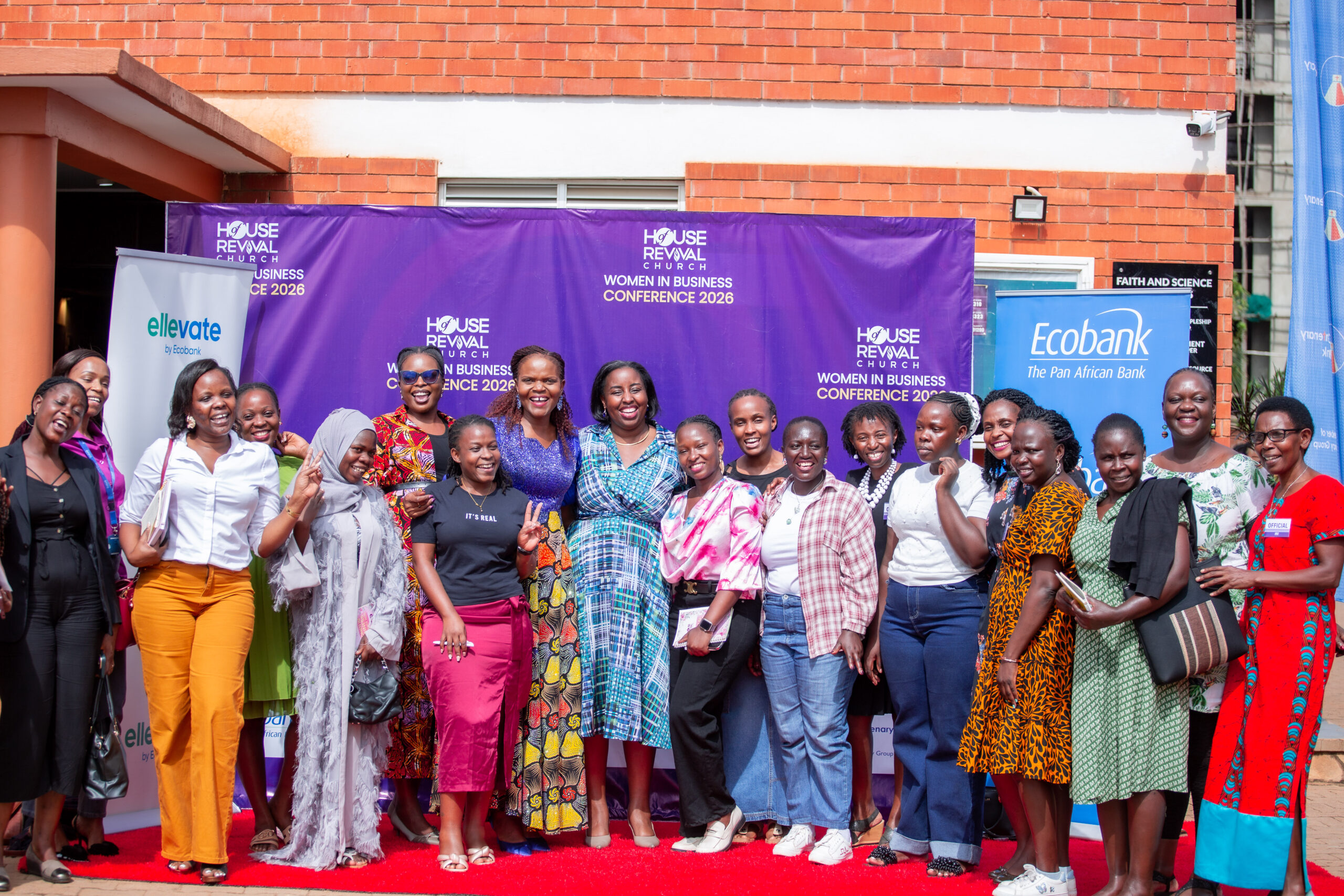
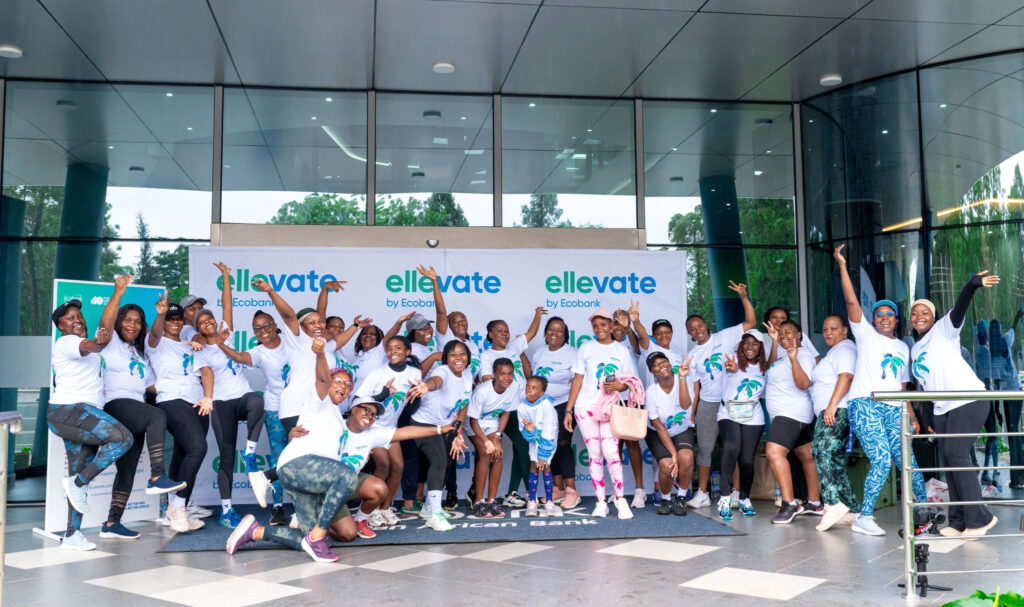
Through Ellevate by Ecobank – a programme that combines tailored financial products with capacity-building, training, mentoring and networking opportunities – the bank is demonstrating that empowering women entrepreneurs is not a peripheral concern but a fundamental driver of Africa’s economic transformation. The results speak for themselves. More than 103,000 registered women entrepreneurs have received financing through the initiative, while over 24,000 women have participated in networking, training and mentoring sessions. Lending to registered women entrepreneurs surged to $780m in 2025, up from $265m in 2024, reflecting both growing demand and Ecobank’s deepening commitment to the sector. Aseda Wholesale’s extraordinary growth trajectory in Ghana is the latest illustration of what can be achieved when women-led businesses receive meaningful support, access to finance and opportunities to scale, rather than token acknowledgement.
The Opportunity Ahead
Africa’s economic transformation will not be delivered by large corporations alone. It will be built, day by day, by the millions of micro, small and medium-sized enterprises that manufacture, trade, process, and innovate their way towards prosperity by the poultry farmer in Aburi, the fruit juice producer in Lashibi, the rice distributor in Lomé, and the cassava-to-nutrition entrepreneur relocating to be closer to her raw materials.
The question has never been whether those businesses have the drive. It is whether they have partners. Increasingly, the answer is yes.