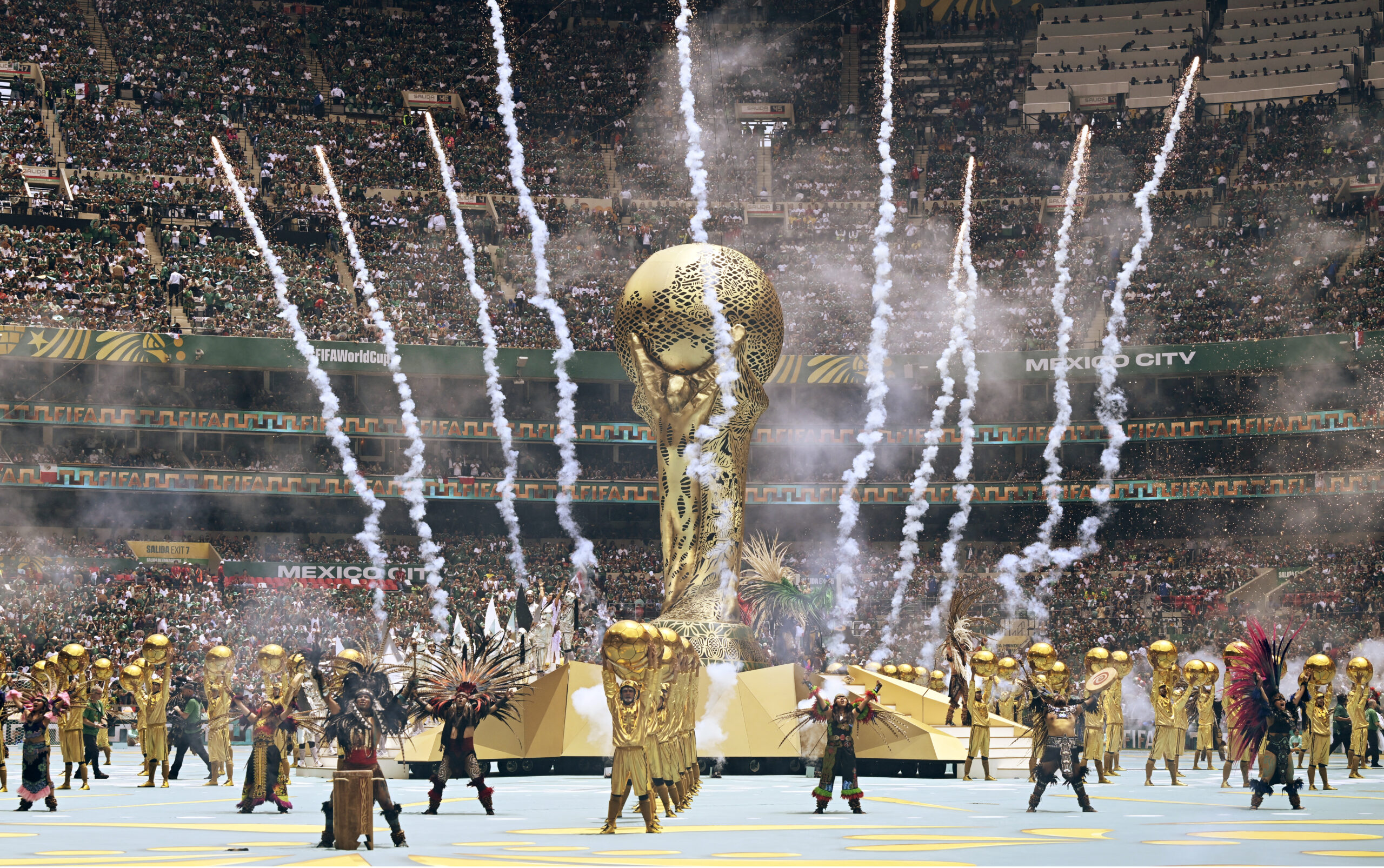
A historic and unprecedented 10 African nations make their way to Mexico, the United States and Canada for this year’s edition of the FIFA World Cup. Each team is set to receive a reported minimum of $12.5m for participating in the tournament, with $2.5m per nation allocated towards preparation efforts and a prize of $10m sent to each nation as a reward for qualification.
The rest of the record $871m prize pot will be awarded as follows: Champions will receive $50m alongside a bronze-cored, gold-plated replica of the coveted 18 karat gold and malachite winner’s trophy. Runners-up get $33m, while 3rd and 4th place are granted $29m and $27m respectively. Quarter-finalists are set to collect $19 million each for their performance, while those that are knocked out in the Round of 16 will receive an additional $15m. The rest of the teams that make it into the Round of 32 will have $11m added to the prize money they have already received for qualifying for the tournament stage.
Here are our insights and predictions for each of the continent’s featured squads.
Algeria
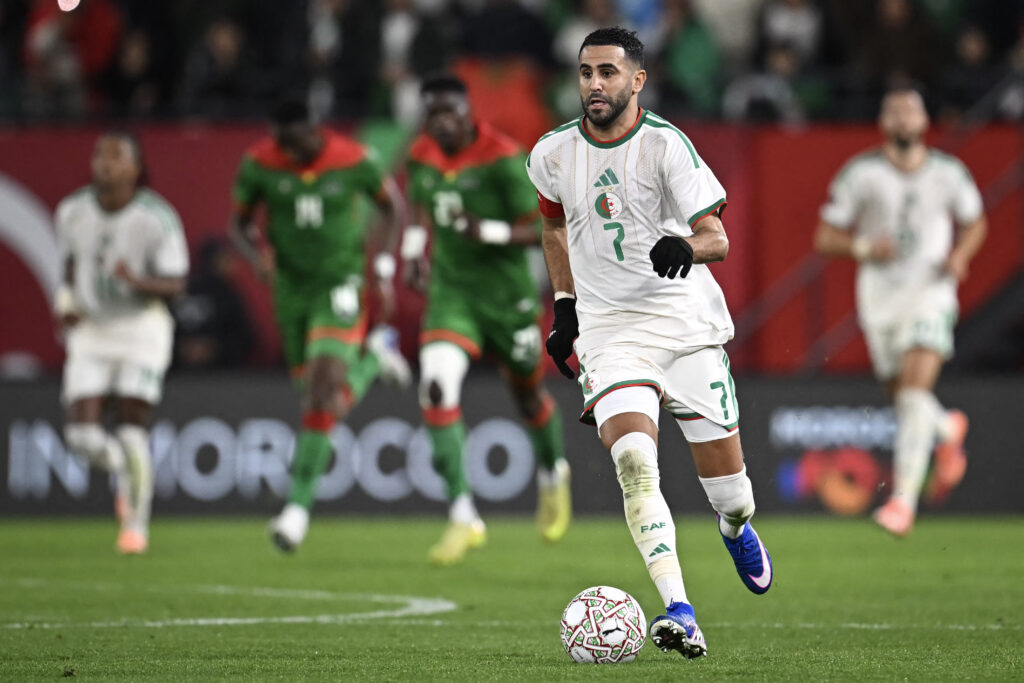
After a 12-year absence, Algeria’s Desert Foxes are back on football’s biggest stage, returning for their fifth World Cup appearance under coach Vladimir Petković. They have been drawn against reigning World Cup champions Argentina, who will be looking to defend the coveted trophy with Lionel Messi reprising his role as “quarterback” for a zealous squad in what will most likely be his last World Cup.
Key players include captain and star Riyad Mahrez, who has also claimed this will be his last World Cup, as well as Bayer Leverkusen’s Ibrahim Maza and Manchester City’s Rayan Aït-Nouri. Goalkeeper Luca Zidane, son of football legend Zinedine Zidane, will also be one to watch in this tournament.
Cape Verde
One of the smallest nations to ever play at the FIFA World Cup, debutants Cape Verde are a country that will be happy to experience the tournament despite being cast into an unforgiving group. The Blue Sharks are pitted against 2010 World Cup winners and European favourites Spain; two-time champions Uruguay; and Saudi Arabia, who beat eventual champions Argentina 2-1 in the last tournament.
Key players include Villarreal’s Logan Costa; Ryan Mendes, captain and all-time leader in both caps and goals for the nation; veteran goalkeeper Vozinha, who brings composure and invaluable experience to the side at 40 years old; as well as Dailon Livramento, a dynamic forward whose decisive goals during the nation’s qualifying campaign have already made him a national hero. While this tournament will not likely be a long one for the Blue Sharks, it will most definitely be one to remember and will leave a lasting impact on the development of football in the archipelago.
Côte d’Ivoire
Côte d’Ivoire are heading to the FIFA World Cup for the first time in over a decade. The Elephants topped their qualifying group with an unbeaten record of eight wins and two draws, boasting the best goal difference on the continent. After beating France for the first time ever in the pre-tournament international friendlies, the team should be able to ride that high and get to the knockout stages with relative ease, if the same level of cohesion and quality can be maintained. The three-time African champions will be desperate to enter the Round of 32, especially as they have never managed to break out of the group stages in any of their previous appearances.
Manchester United’s Amad Diallo will be the focal point of the team’s attack, having scored three goals while also creating 10 chances at AFCON last year. Other key players include Inter’s Ange-Yoan Bonny, as well as two exciting young Bundesliga talents in Leipzig’s Yan Diomande and Hoffenheim’s Bazoumana Touré, both of whom only made their international debuts in October 2025. With a century of caps under his belt, captain and holding midfielder Franck Kessié serves as the heartbeat of a side that might finally break their group stage exit jinx.
DR Congo
The last time the Leopards of DR Congo featured in a World Cup, ABBA was making their debut in Eurovision, Muhammad Ali was the Heavyweight Champion of world boxing,and the country was still called Zaire. 52 years later, Axel Tuanzebe scored in the 100th minute of the inter-confederation play-off against Jamaica to secure their place in this year’s edition of the tournament.
They face most trouble in the group stages through Portugal, led by Manchester United’s Bruno Fernandes and sporting some of the best young talents of the tournament in João Felix, Rafael Leão, Nuno Mendes and Vitinha as well as proven and experienced game-changers such Bernardo Silva, João Cancelo and Rúben Dias, not to mention Cristiano Ronaldo.
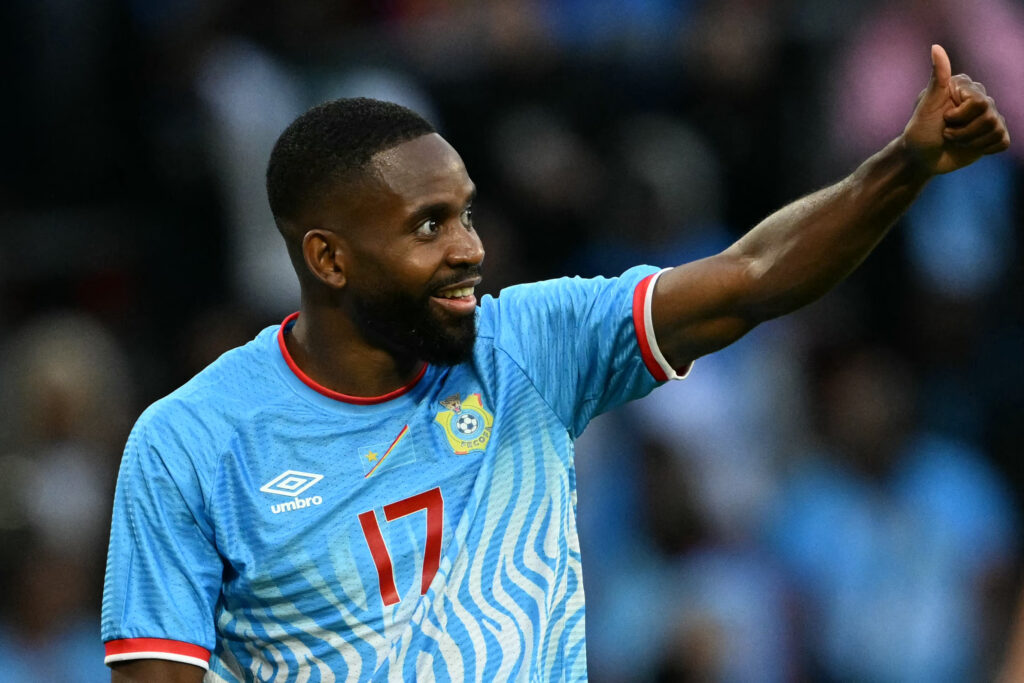
Les Léopards’ key players include strike partners Cédric Bakambu of Real Betis and Newcastle’s Yoane Wissa, while seasoned defenders Chancel Mbemba, Arthur Masuaku, Axel Tuanzebe and Aaron Wan-Bissaka act as the foundation and lynchpins of the squad.
Egypt
The Pharaohs come to North America with the legendary Mohamed Salah leading the attack. Head coach Hossam Hassan remains Egypt’s all-time record scorer with 69 goals, but Salah sits just two behind him on 67. Egypt is well-placed to finish the group in one of the top two spots, drawn as they are with Belgium, New Zealand and Iran.
Omar Marmoush of Manchester City will partner Salah at the front, forming a devastating Premier League-tested pincer. Rising star, 18-year-old La Masia graduate Hamza Abdelkarim adds a youthful unpredictability to the veteran roster alongside a level of tactical awareness that would have been forged in him from his time in the Barcelona youth system. Egypt have never won a match at the FIFA World Cup in the modern era, and with Salah widely understood to be making his final World Cup appearance, there will be no shortage of motivation to change that.
Ghana
The Black Stars have a tall order to contend with at this year’s World Cup. Star boy Mohammed Kudus is out with a quad injury, leaving them without a key difference maker that the team has relied on greatly in the past few years. Head coach Otto Addo was also fired just two months ago after a string of losses, being replaced by Carlos Quieros, who himself failed to qualify Oman for the tournament in his previous role. The team has looked shaky at best as he gets to grips with his new position, favouring a defensive rigidity that goes against the nation’s naturally front-footed and attacking style of play.
The team has not won a match since qualifying for this year’s World Cup in a 1-0 victory against Comoros last October, and they face incredibly stiff competition being grouped up with England and 2018 World Cup runners-up Croatia, both hungry to end decades-long trophy droughts.
Key players include Manchester City’s Antoine Semenyo, who managed to come 3rd on the Premier League top scorers list this season while playing a supporting role alongside golden boot winner Erling Haaland as a winger, as well as La Liga regulars Inaki Williams and Thomas Partey. Tariq Lamptey has also been left out of the squad as he continues to recover from an ACL tear suffered early this season, leaving the Black Stars without much needed quality and pace in their back line.
Morocco
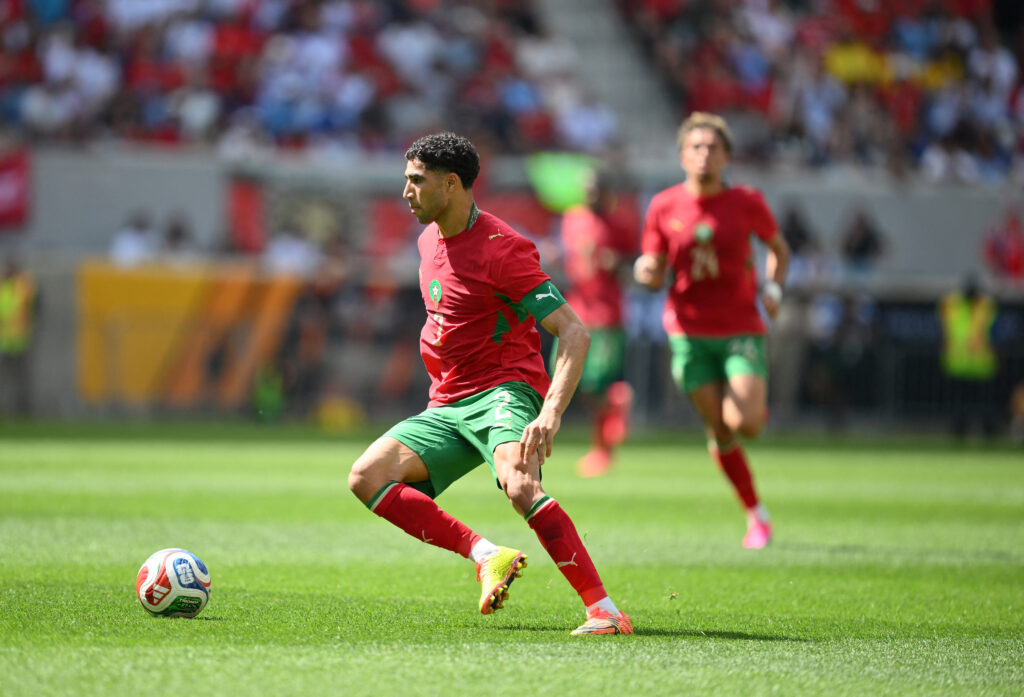
Hosts and official champions of last year’s AFCON (after the Confederation of African Football retrospectively overturned Senegal’s on-pitch victory), Morocco are well poised to make it out of the group stages this year, with the Atlas Lions having to contend with Brazil, Scotland and Haiti as their initial opponents in the tournament. South American powerhouse Brazil are likely to top the group, while a tenacious Scotland side will be eager to make their mark at their first World Cup since 1998.
Currently ranked 7th in the world, Morocco will be hoping to win on the pitch instead of the courthouse this time around, but the likes of Scotland’s John McGinn and Scott McTominay, not to mention Brazil’s Neymar and Vinicius Jr., will definitely give them a run for their money.
Key players include PSG’s Achraf Hakimi – squad captain, and Brahim Diaz of Real Madrid. Veteran holding midfielder Sofyan Amrabat serves as the backbone of the team, providing much-needed experience to a young midfield and initiating counter-attacks through his deft distribution.
Senegal
After the shenanigans and skulduggery that plagued last year’s AFCON final, the Teranga Lions will look to continue doing their talking on the pitch (and hopefully staying on it this time). Senegal are the African team with the most high-level experience at this World Cup, keeping a majority of the squad that gave them possession of the AFCON trophy and took them to the Round of 16 last time around in Qatar.
However, they face an incredibly high mountain in the group stage. Two-time World Cup champions France bring with them many of the squad that won them the trophy in 2018 such as Kylian Mbappé – who is just one goal off being France’s record goal-scorer, as well as Ngolo Kanté and Ballon d’Or winner Ousmane Dembélé. Meanwhile Norway’s attacking partnership of talisman striker, Erling Haaland, fresh off his second season in a row of being the Premier League’s top scorer and Martin Ødegaard, who led Arsenal to their first Premier League trophy in 22 years as well as the Champions League final this season, will also be the source of many a headache for Pape Thiaw and his lads.
As mentioned earlier, the team boasts vast talent and experience. Key players include captain and top scorer, Sadio Mané, Bayern Munich striker Nicolas Jackson, Everton’s Idrissa Gueye and elite defender Kalidou Koulibaly, who has not seen a game of football since contending with an injury garnered in April. While this may be the last dance for Senegal’s golden generation, there is ample opportunity for them to showcase their quality.
South Africa
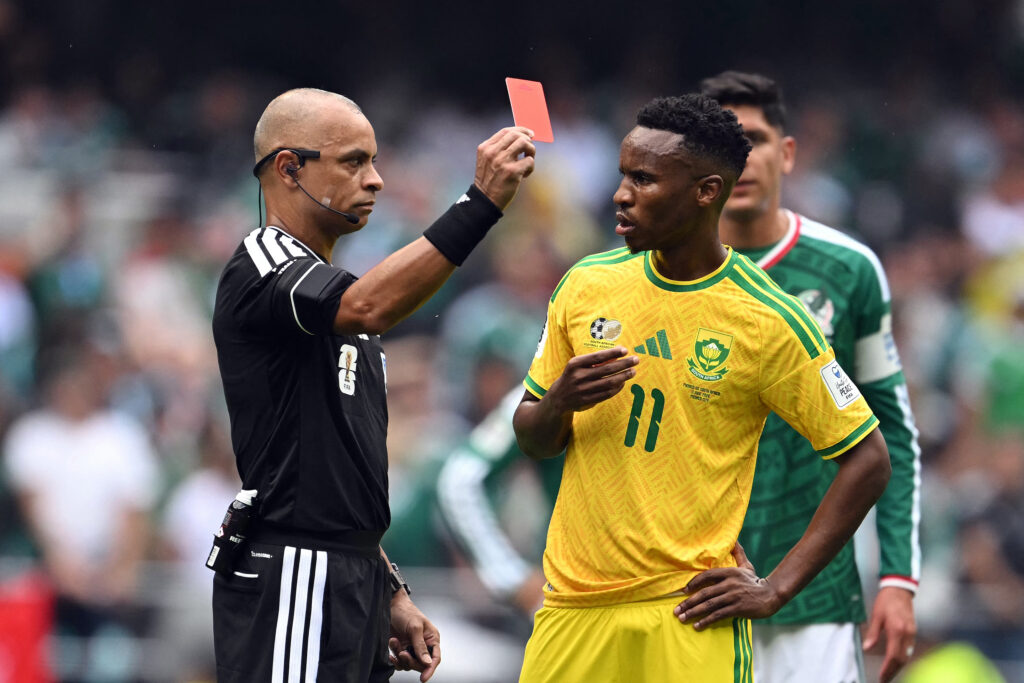
Bafana Bafana was the first African team to play in this year’s tournament, featuring against hosts Mexico in a nightmare opening fixture that saw them lose 2-0 and suffer red cards for Yaya Sithole and Thema Zwane. They will need to do much better in their remaining fixtures – against Czechia and South Korea – to have any chance of progressing.
A good number of the squad play their club football for Mamelodi Sundowns, the rainbow nation’s most successful club – gaining some much needed experience playing in America’s stadiums at last year’s FIFA Club World Cup.
Key players include star goalkeeper and team captain Ronwen Williams, Burnley striker Lyle Foster and the up-and-coming 21-year-old phenom Relebohile Mofokeng. He has been provided with a perfect opportunity to raise his profile and cachet ahead of this summer’s transfer window, and is already rumoured to be in talks with everyone from Rangers to the likes of Barcelona and Paris-Saint Germain. His club, Soweto’s Orlando Pirates, have stated that they are looking for at least 100 Million Rand if they are to part with the player – a record fee in the history of the South African Premiership.
Tunisia
The Eagles of Carthage will arrive at their seventh World Cup under a relatively new manager in Sabri Lamouchi, who was appointed by the Tunisian Football Federation in January 2026 following a disappointing AFCON exit. Tunisia are pitted against Sweden, Japan and the Netherlands, one of the toughest groups in the competition.
Tunisia enjoyed a flawless end to their qualifying campaign, winning six straight matches while scoring 16 goals and conceding none. The most significant figure in their midfield is captain Ellyes Skhiri of Eintracht Frankfurt, while FC Copenhagen’s Elias Achouri serves as the engine of the Eagles – his partnership alongside Burnley’s Hannibal Mejbri making Tunisia a difficult team to beat.
Tunisia carry a rich tradition of punching above their weight on the big stage, having beaten defending champions France 1-0 at the 2022 World Cup, despite ultimately bowing out in the group stage.
Let the games begin!