
Why does the Africa Forward Summit matter for peace and security?
Because peace cannot be managed in fragments. Africa’s risks are interconnected, from conflict and extremism to economic pressure and climate stress. The Summit creates a platform to align political leadership, security actors and partners around shared priorities. Without that alignment, responses remain reactive and uneven.
What gap does the Summit address?
A lack of coherence. We must rebuild trust. African states often engage global partners individually, while those partners act with coordination and clarity. That imbalance weakens Africa’s influence. The Summit offers an opportunity to define common positions and strengthen a collective voice on peace and security.
How does this shift the conversation on security?
It moves the focus beyond crisis response. Security is not only about conflict. It is about governance, economic resilience and public trust. If those foundations are weak, instability follows. The Summit broadens the lens and connects these elements to long-term peace.
In a fragmented world, with conflicts rising globally and across parts of Africa, how should the continent respond?
Fragmentation makes coordination more urgent. Africa cannot approach each crisis in isolation while global tensions intensify.
The response must be deliberate. Stronger regional alignment, faster political decision-making and clarity of shared interest. Africa must engage from a position of collective purpose.
What role should African leadership play in shaping peace outcomes?
Leadership is decisive. Institutions exist, but they depend on political will. Leaders must move from endorsement to execution.
That means sustained commitment, prioritising funding and accountability for results. Peace requires consistency, not statements.
How should partnerships be reframed to better support Africa’s priorities?
Partnerships must shift from direction to support. Too often, external actors define the agenda. Effective cooperation requires alignment with African priorities, respect for sovereignty and investment in institutions. Without that, partnerships remain short-term.
And what is the cost of inaction or slow coordination?
The cost is cumulative. Delayed responses allow crises to expand, deepen economic loss and weaken public trust. Fragmentation creates gaps. In peace and security, hesitation has consequences.
The world seems in constant flux right now. Why is this moment particularly significant for the continent?
Global instability is rising. Power is shifting, alliances are evolving and external interest in Africa is increasing. In that context, Africa cannot remain reactive. It must define its priorities and engage with clarity and confidence.
What should success from this Summit look like?
The Summit should produce clear direction and practical outcomes; rebuilding trust and stronger coordination across governments; more consistent engagement with partners; and a shared understanding that peace and security are central to Africa’s economic and political future.
For more than 60 years we have been high on law and low in trust. This needs to be addressed and the Summit gives us the golden opportunity to have a sincere and practical conversation, to rebuild trust in a true Ubuntu spirit.
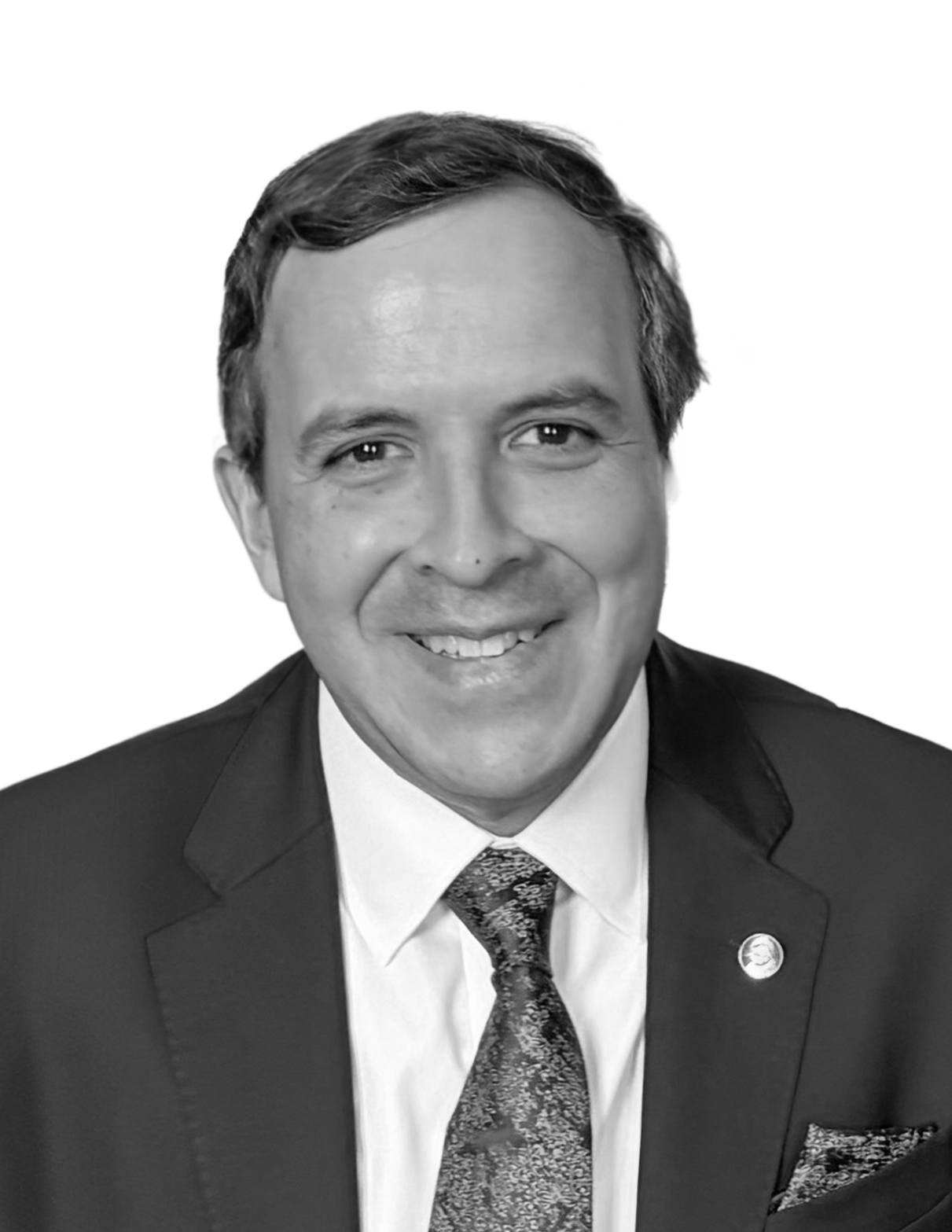
Prof. Luis Gabriel Franceschi is a former assistant secretary-general of the Commonwealth of Nations and founded Strathmore University Law School.