

Since its founding in London in 2013, the 1-54 Contemporary African Art Fair has grown into a key platform for contemporary art from Africa and its diaspora, with editions now spanning London, Marrakech and New York.
The New York edition, running from 13 to 17 May, brings together more than 20 exhibitors from 12 countries across five continents, with over 45 artists represented. Exhibitors such as the Adegbola Gallery (Lagos), FILAFRIQUES (Geneva/Abidjan), kumalo | turpin (Johannesburg) and Tanya Weddemire Gallery (Brooklyn) reflect both a strong presence from the continent and an expanding diasporic network.
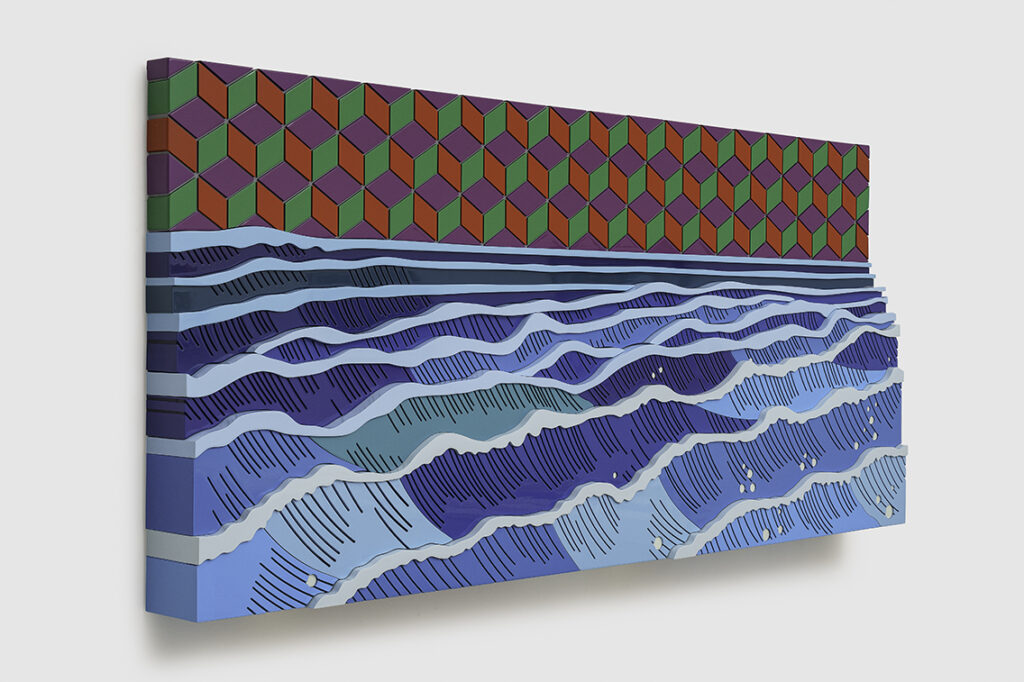
While focused in scale, the fair’s reach is wide – connecting artists, exhibitors, collectors and institutions across geographies. This breadth is reflected in works such as Joseph Eze’s layered compositions or Moses Salihou’s intimate paintings, which anchor the fair in both material and narrative depth.
A market moving beyond visibility
Over the past decade contemporary African art has gained a stronger international presence, from biennials to museum collections. With that visibility comes a new question: how to sustain it beyond moments of trend.
1-54 sits within that shift. It creates space for relationships to develop over time, particularly for exhibitors working across different markets. The 2026 edition reflects this balance – with returning exhibitors alongside new participants such as Aura (São Paulo), Black Pony Gallery (Bermuda) and The Current (Nassau), pointing to an increasingly transatlantic market.
Artists such as Dede Brown and Alexis Peskine, presented across these geographies, reflect this expanding landscape. At the same time, the presence of Black-owned and women-led exhibitors – including Galerie Myrtis and Kates-ferri Projects – points to a broader structural shift, not only in who is shown, but in who is shaping the field itself.
Material, process and layering
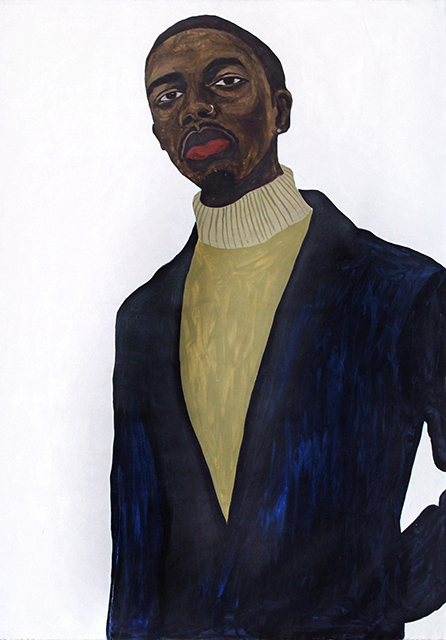
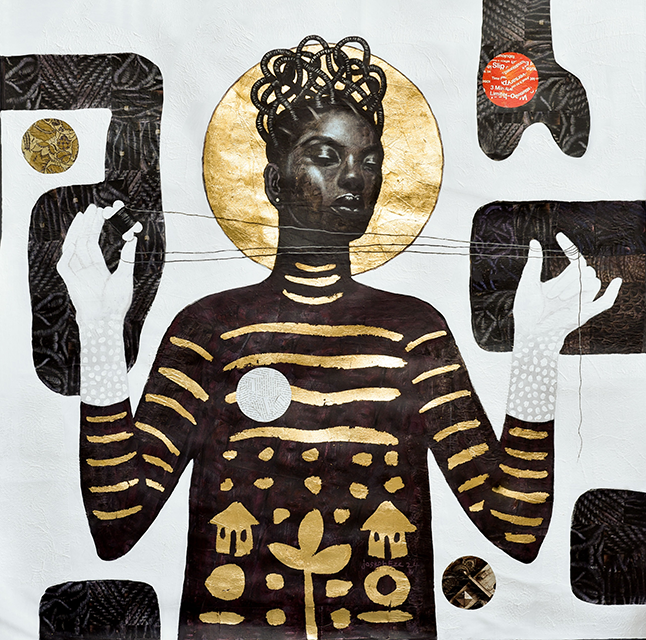
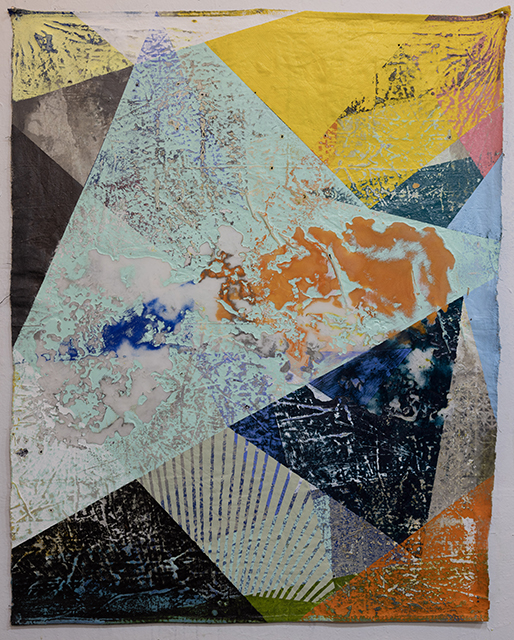
Across the fair certain approaches come into focus. Painting remains central, but rarely in a conventional sense. Artists such as Aaron Kudi work through accumulation, layering acrylic with collage, print and found elements. Their surfaces feel constructed over time, with images emerging through fragments rather than fixed compositions.
There is a strong emphasis on process. Works often bring together multiple references – personal, historical, cultural – without resolving them into a single meaning. This is also visible in the textured compositions of Dede Brown, where abstraction and figuration sit side by side.
At the same time, earlier generations remain present. The inclusion of artists such as Chéri Chérin and Marcel Gotène introduces a different temporality, placing contemporary practices in dialogue with longer artistic histories.
Thinking through diaspora
One of the defining aspects of 1-54 is its approach to diaspora – not as a fixed identity, but as a space of movement and exchange.
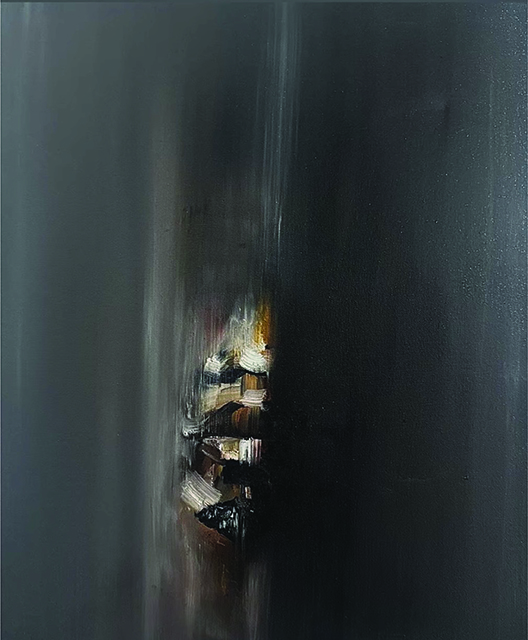
This is reflected in the range of artists presented, spanning over 20 countries. Alongside those based on the continent are practitioners working across the Caribbean, the United States and Europe. Artists such as Candice Tavares or Maxwell Taylor, for instance, navigate multiple cultural references, often bringing together different geographies within a single work.
What emerges is not a unified narrative but overlapping perspectives. Questions of belonging, memory and displacement run through many of the works, approached in ways that are at times direct, at times more understated.
Brazil Beyond Brazil
A key focus of this year’s edition is 1-54 Presents: Brazil Beyond Brazil, curated by Igor Simões. It marks the fair’s first dedicated focus on Afro-Brazilian practices.
Brazil holds a particular position as the largest Black nation outside the African continent and a central site of the transatlantic diaspora. Yet its artistic narratives have often been framed through limited or external perspectives.
What this presentation makes clear is that Afro-Brazilian production cannot be reduced to familiar tropes. The works of artists such as Rommulo Vieira Conceição, Lidia Lisbôa and Jaime Lauriano move beyond these expectations. Rather than leaning into fixed representations, they engage with archives, question established art histories and rework contemporary visual languages.
Their practices connect Brazil to a wider diasporic context, tracing links across continents. Brazil Beyond Brazil expands the field, opening up a more complex understanding of how Brazilian art is positioned internationally.
Special Projects
Alongside the galleries, the 2026 edition places a strong emphasis on special projects, extending the fair beyond the booth format.
The project Vilanismo: Collective Practices of Refusal across the Black Atlantic, developed with TZ Production Company, challenges how Black life is produced and displayed. Operating as a hybrid space – part installation, part gathering site – it shifts the terms of exhibition from object to lived process.
Other projects expand this approach. Black Forest, by Ekene Ijeoma, connects environmental concerns with histories of Black life through a living archive, while TM Arthouse’s presentation Entanglements brings together artists from the Caribbean and Amazonian regions, exploring identity as something layered, fragmented and continuously recomposed.
Together, these projects introduce more immersive formats and reinforce the fair’s role as a site of research and exchange.
New York as a setting
New York remains a key context for the fair, offering access to collectors and institutions while placing it within a dense art calendar.
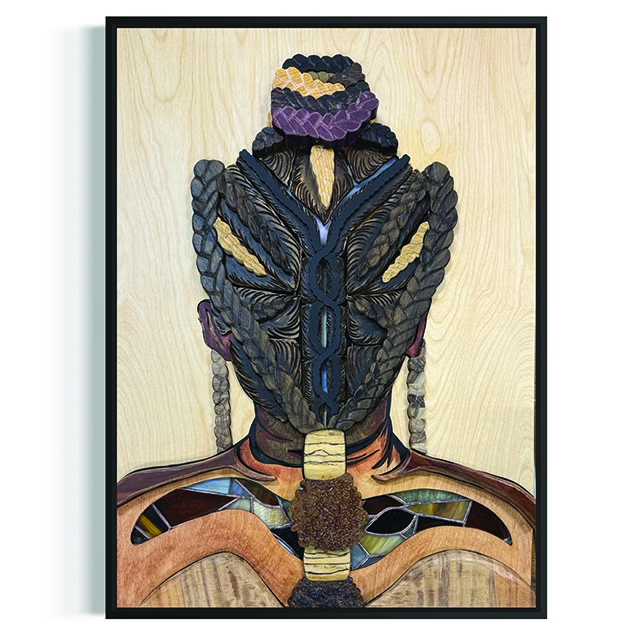
What defines 1-54 here is its focus. Rather than expanding in scale, it maintains a more intimate format, allowing for closer engagement with the work – from the textured compositions of Jason A. Bennett to the sculptural practice of Tyrone Ferguson.
Taking place alongside the city’s art week, the fair benefits from visibility while retaining a clear identity.
Looking ahead
As 1-54 moves into its second decade, the conversation is shifting. The question is no longer only how to increase visibility, but how to support longer-term structures around artists and exhibitors.
The 2026 New York edition reflects that change. Through its mix of returning and new participants, its attention to diasporic connections and its expanded programme, it continues to build on what the fair has established over time.
What it presents is not a single narrative, but a set of connections – between places, practices and histories. That remains at the core of what 1-54 does.
The 1-54 Contemporary African Art Fair New York 2026 is at the Starrett-Lehigh Building, 600 W 27th Street, NY 10001 from 13 to 17 May.